The fastest coffee bar gives every guest action a clear place before the rush begins: ordering, waiting, pickup, and self-service should not collapse into one attractive bottleneck.
A fast coffee bar should separate ordering, making, pickup, and lingering without making the counter look like a service line
A commercial coffee bar works fastest when guests can see where to order, pay, wait, and collect drinks before they reach the counter. The counter should feel legible, not factory-like.
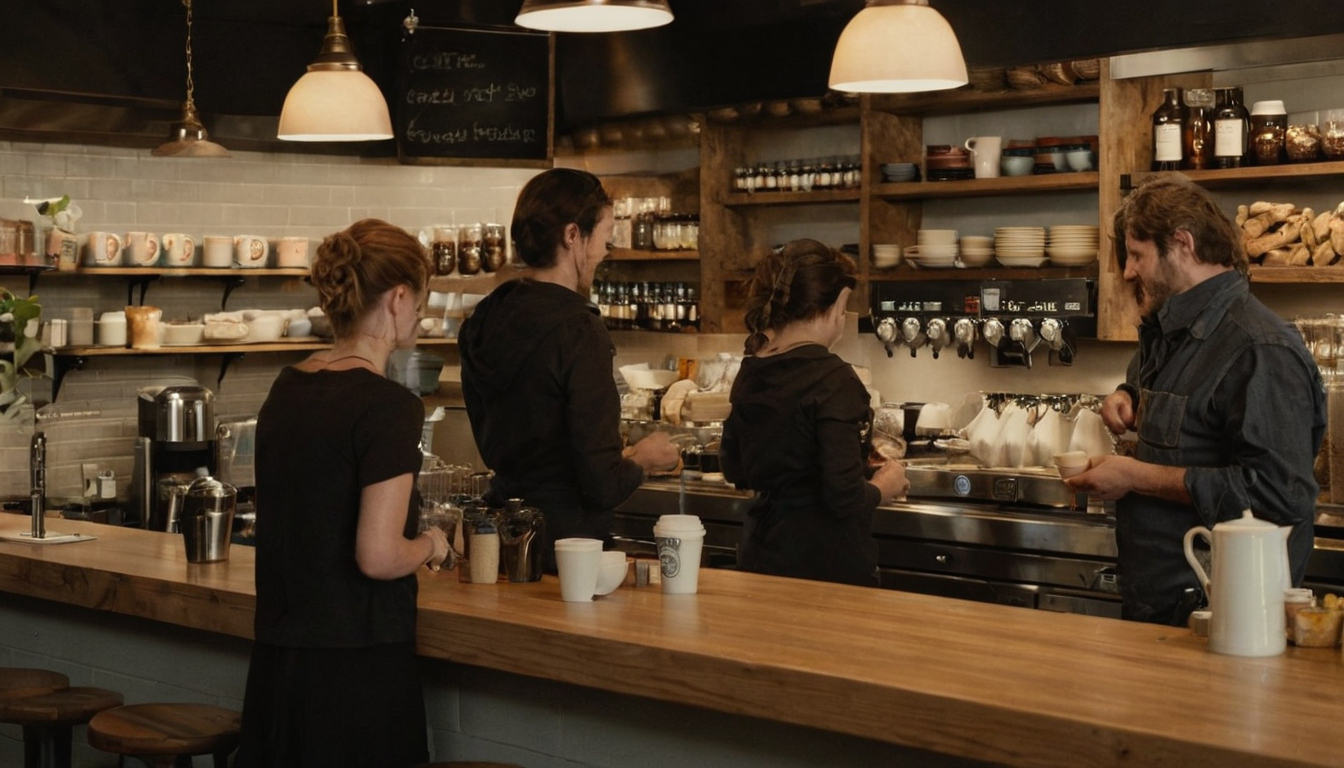
A fast coffee bar should separate ordering, making, pickup, and lingering without making the counter look like a service line shown with practical context cues.
- Ordering zone: guests read the menu, choose, and pay without stopping the line.
- Production zone: baristas reach milk, cups, tools, sinks, and waste without crossing guests.
- Pickup zone: walk-up and mobile guests find finished drinks without returning to the register.
- Self-service zone: lids, sleeves, sweeteners, water, and napkins sit away from payment.
Warmth comes from how these zones meet the room. Wood fronts, rounded corners, tile, softer menu boards, plants, and warmer task light can still support speed because hospitality surfaces shape guest behavior.
Coffee bar design ideas should place the menu, POS, and pastry display where guests decide before they block the register
The ordering face should help guests decide before they reach the cashier. Use the front counter as a decision sequence, not a display shelf.
- Menu board: place the primary menu where guests can read it from the queue.
- POS position: put the register after the guest has seen the menu and pastry offer.
- Pastry display: place the case before or beside the register, not hidden behind the cashier.
- Mobile pickup: use a side shelf, labeled cubbies, or staff handoff so pickup guests do not cut into ordering.
Setting up a coffee bar requires barista reach zones, not just attractive equipment placement
A productive espresso bar is designed around repeated hand movements: grind, dose, pull, knock, rinse, steam, lid, call, and clear.
| Reach zone | Best adjacency | Operational reason |
|---|---|---|
| Espresso | Grinder, tamper, scale, knock box, rinser, cups | The barista finishes the espresso cycle without crossing another worker. |
| Milk and finishing | Undercounter milk, pitchers, syrups, lids, sleeves | Milk doors should not swing into the pass. |
| Cold and brewed | Ice bin, cold cups, batch brewer, tea, airpots | Iced and brewed drinks need landing space away from espresso tickets. |
| Support | Hand sink, dump sink, trash, compost, backup cups | Sanitation and waste belong near production. |
A solo barista needs a tight POS, espresso, and pickup triangle. A cashier-plus-barista model can separate ordering from production. A two-barista rush bar needs duplicate landing space.
Plan plumbing and approvals before millwork. Los Angeles County Environmental Health says approvals are needed before construction begins, with standard plan review in twenty working days after payment and expedited review within ten working days if requested and available.Los Angeles County retail food facility requirements
Hand sinks and accessible surfaces are service equipment. The National Restaurant Association notes that the 2022 FDA Food Code specifies handwashing-sink water at at least 85°F, while adoption depends on local jurisdictions.National Restaurant Association FDA Food Code update The DOJ 2010 ADA Standards set accessible dining and work surfaces at 28 to 34 inches above the finish floor.2010 ADA Standards for Accessible Design
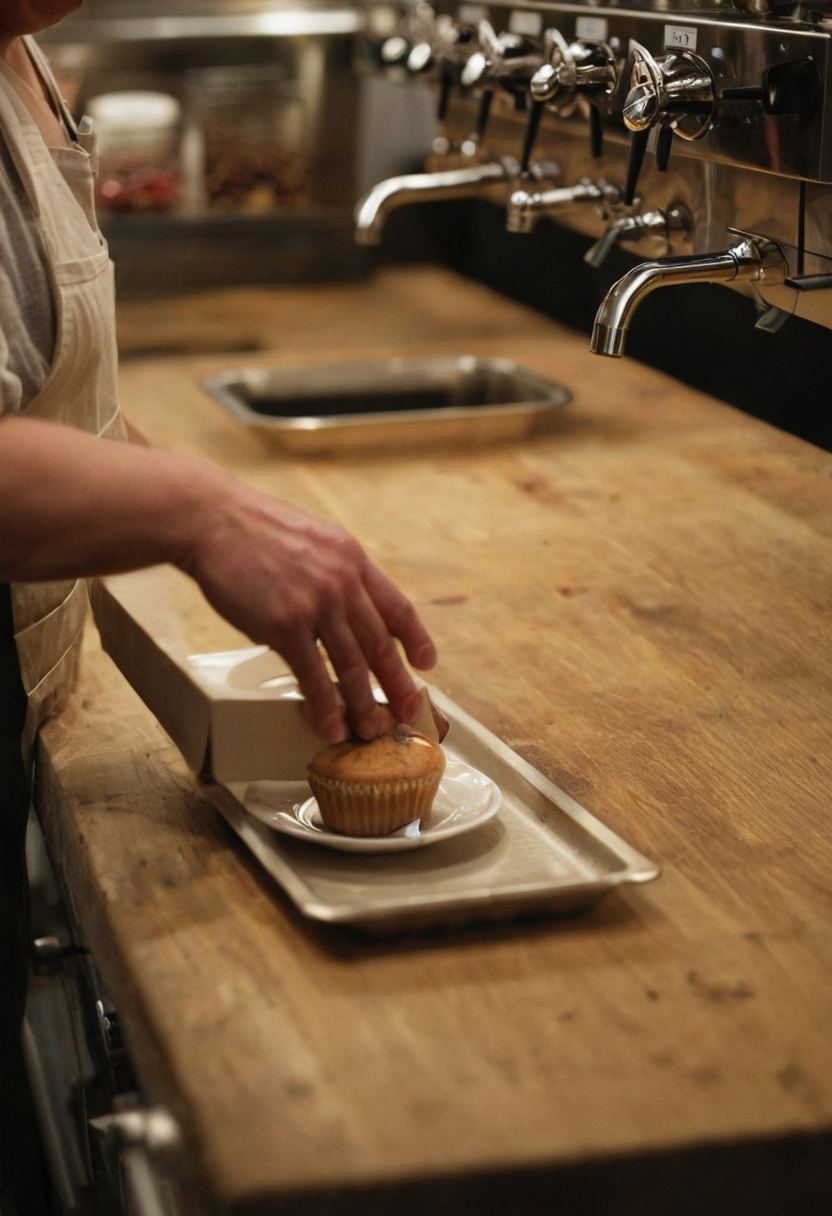
Setting up a coffee bar requires barista reach zones, not just attractive equipment placement shown with practical context cues.
A warm coffee bar can still use durable commercial materials, cleanable seams, and strong task lighting
The guest-facing counter can feel warm while still handling spills, steam, sugar, milk, cleaning chemicals, queue noise, and daily impact.
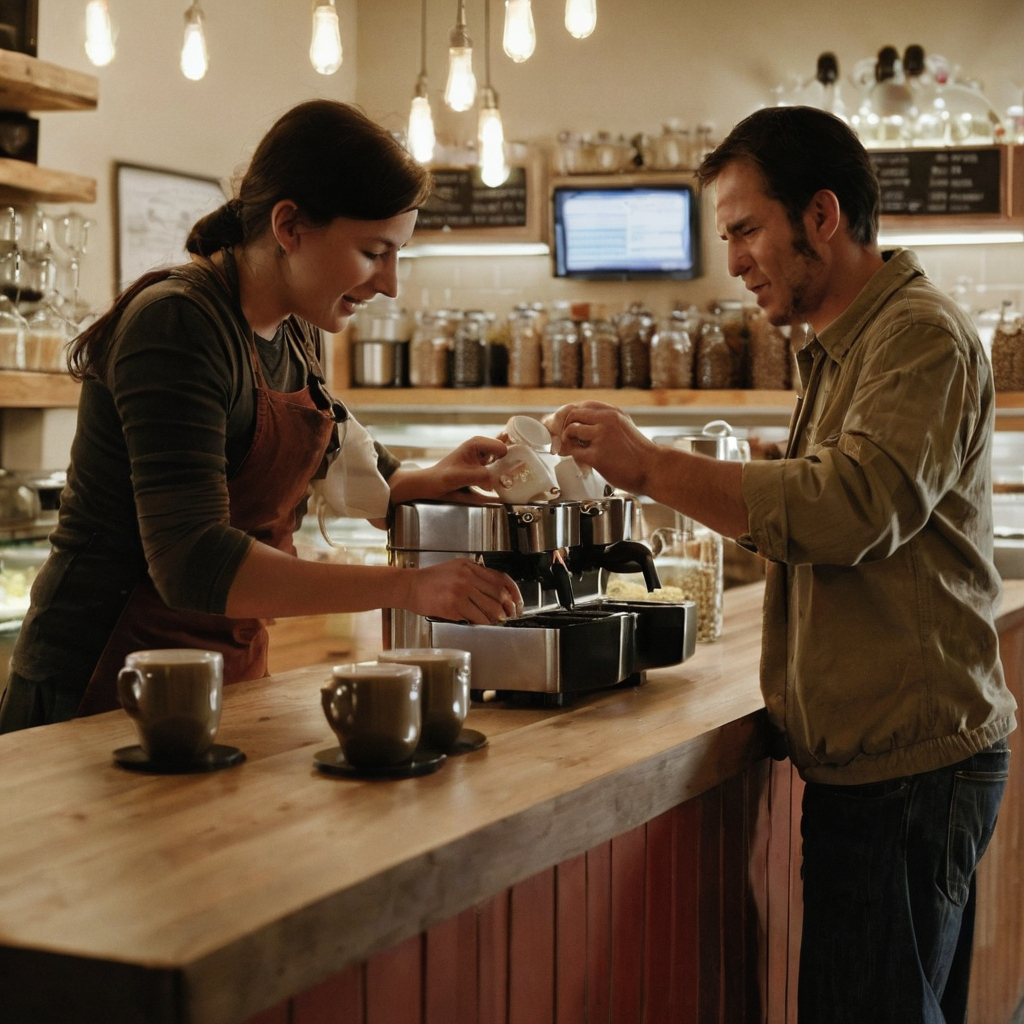
A warm coffee bar can still use durable commercial materials, cleanable seams, and strong task lighting shown with practical context cues.
Start material selection with wet zones. Use stainless steel, quartz, solid surface, or properly specified tile at espresso splash zones, dump-sink edges, and syrup areas. Reserve wood veneer, high-pressure laminate, sealed concrete, or decorative fronts for guest-facing planes that take knocks but not standing water.
The Natural Stone Institute recommends neutral cleaners, stone soap, or mild dishwashing detergent with warm water for natural stone, and warns that abrasive scouring products can scratch stone. The EPA identifies paints, varnishes, waxes, cleaning products, building materials, and furnishings as common VOC sources.
Put glare-controlled light on the menu, pastry case, POS, and task zone, then use warmer ambient light at the counter front and seating edge. ENERGY STAR says qualified LEDs use at least 75 percent less energy and last up to 25 times longer than incandescent lighting.
Small-space coffee bar ideas should prioritize fewer turns, visible pickup, and self-service items away from the register
In a small cafe, kiosk, bakery corner, hotel lobby niche, or restaurant coffee station, the best ideas remove competing movements rather than add fixtures.
Move napkins, straws, sleeves, sugar, water, retail bags, merch, and mobile pickup to a side wall or return shelf when the footprint cannot grow. Keep milk and cream staff-controlled when temperature control, waste, or allergen supervision would suffer. The U.S. Access Board identifies DOJ’s 2010 ADA Standards as the applicable DOJ standards for most facilities outside public transportation.ADA Accessibility Standards The 2010 ADA Standards specify a 30 by 48 inch clear floor space for wheelchair positioning.2010 ADA Standards for Accessible Design
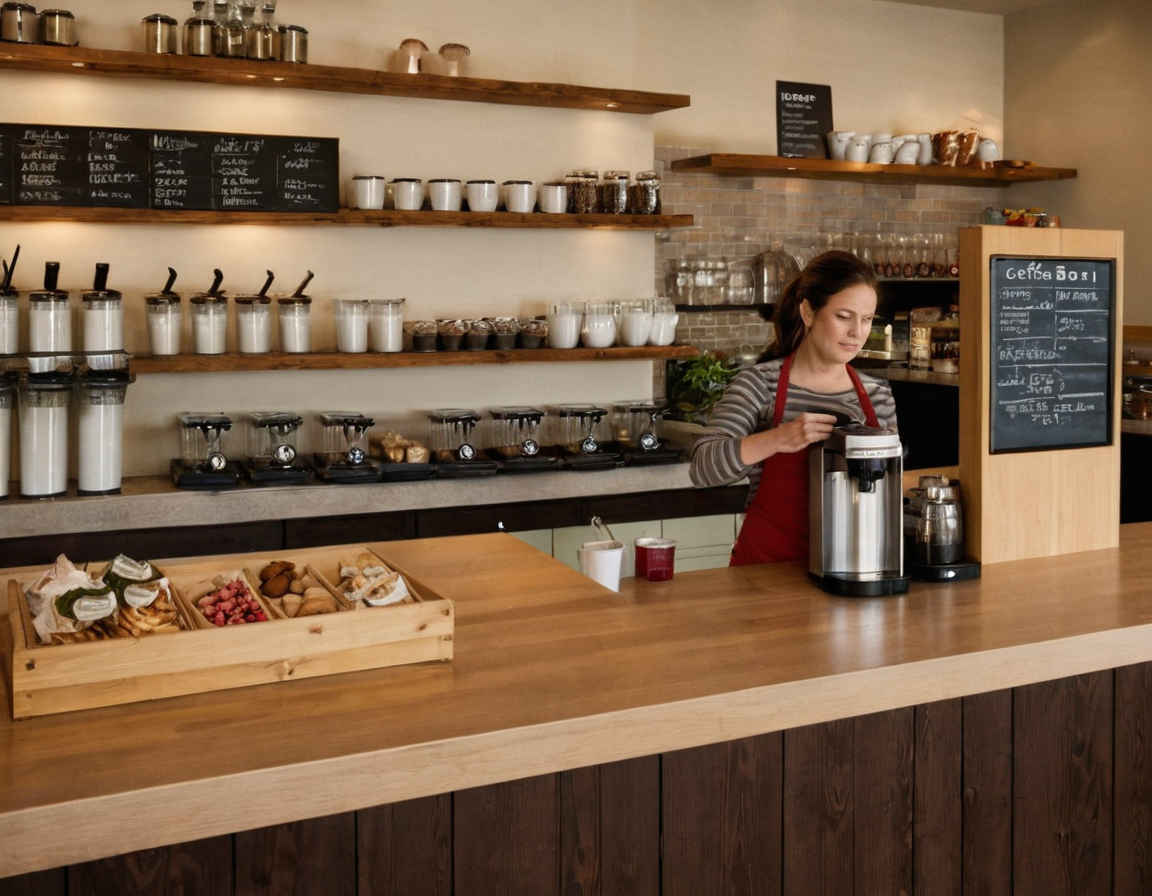
Small-space coffee bar ideas should prioritize fewer turns, visible pickup, and self-service items away from the register shown as an editorial planning reference.
Low-budget changes should start with menu hierarchy, a labeled pickup shelf, brighter task lighting, and a clear queue cue before refinishing the counter. New-build counters have less forgiveness: Los Angeles County guidance treats coffee shops as retail food facilities and requires complete, readable, scaled plans with approval before covered construction or remodeling.retail food facility construction requirements
The biggest coffee bar planning mistakes are unclear queues, hidden pickup, overloaded counters, and finishes that cannot be cleaned
Most coffee bar failures are not caused by the espresso machine alone. Delays usually come from guests not knowing where to stand, staff reaching around each other, mobile orders colliding with walk-up orders, and materials that stain, echo, glare, or demand too much maintenance.
The useful 80/20 rule is not a universal percentage. Plan first for the few drinks, tasks, and guest questions that dominate your rush. If milk drinks drive the morning, milk refrigeration, pitchers, rinsing, knock box, and cup staging deserve prime reach. If pastries drive attachment sales, the case belongs before payment.
- One line feeds both ordering and pickup.
- The menu appears only at the register.
- Condiments, lids, napkins, and mobile shelves crowd the POS.
- Porous finishes fail under dairy spills, sugar, coffee oils, and wet cleaning.
- Accessibility and health-code review come after the counter is drawn.
Choreograph the queue, reach, pickup, cleaning, and code path before choosing the counter finish.
FAQ
How do you create the perfect coffee bar for a small commercial cafe?
Start with the queue, POS, espresso reach, pickup, and self-service zones. Add finishes after those movements work.
What sells the most in coffee shops, and how should that affect layout?
Plan around your own rush mix. If milk drinks dominate, protect the espresso and milk zone. If pastries drive sales, show the case before payment.
What is the 80/20 rule for coffee bar planning?
Give the best space to the few drinks, tools, and guest questions that create most peak-hour pressure.
Where should a coffee shop put mobile order pickup?
Place mobile pickup beside or beyond the main counter, clearly labeled, so pickup guests do not enter the ordering line.